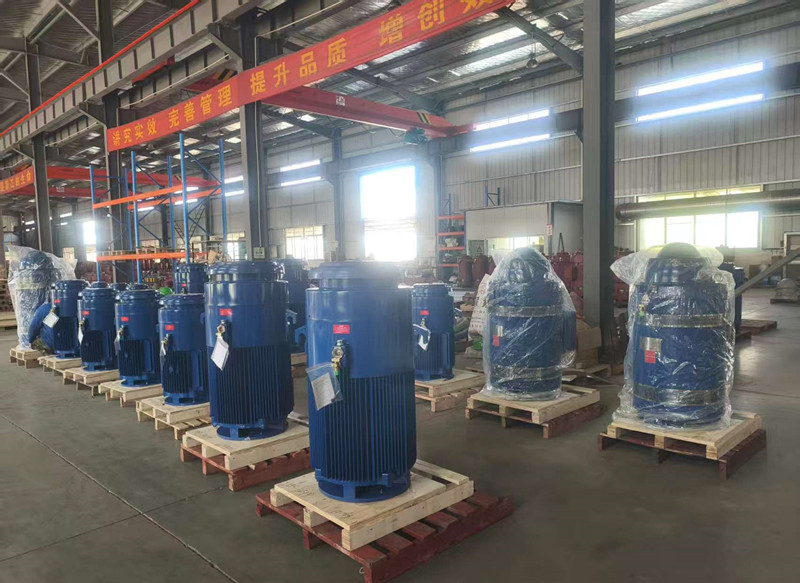
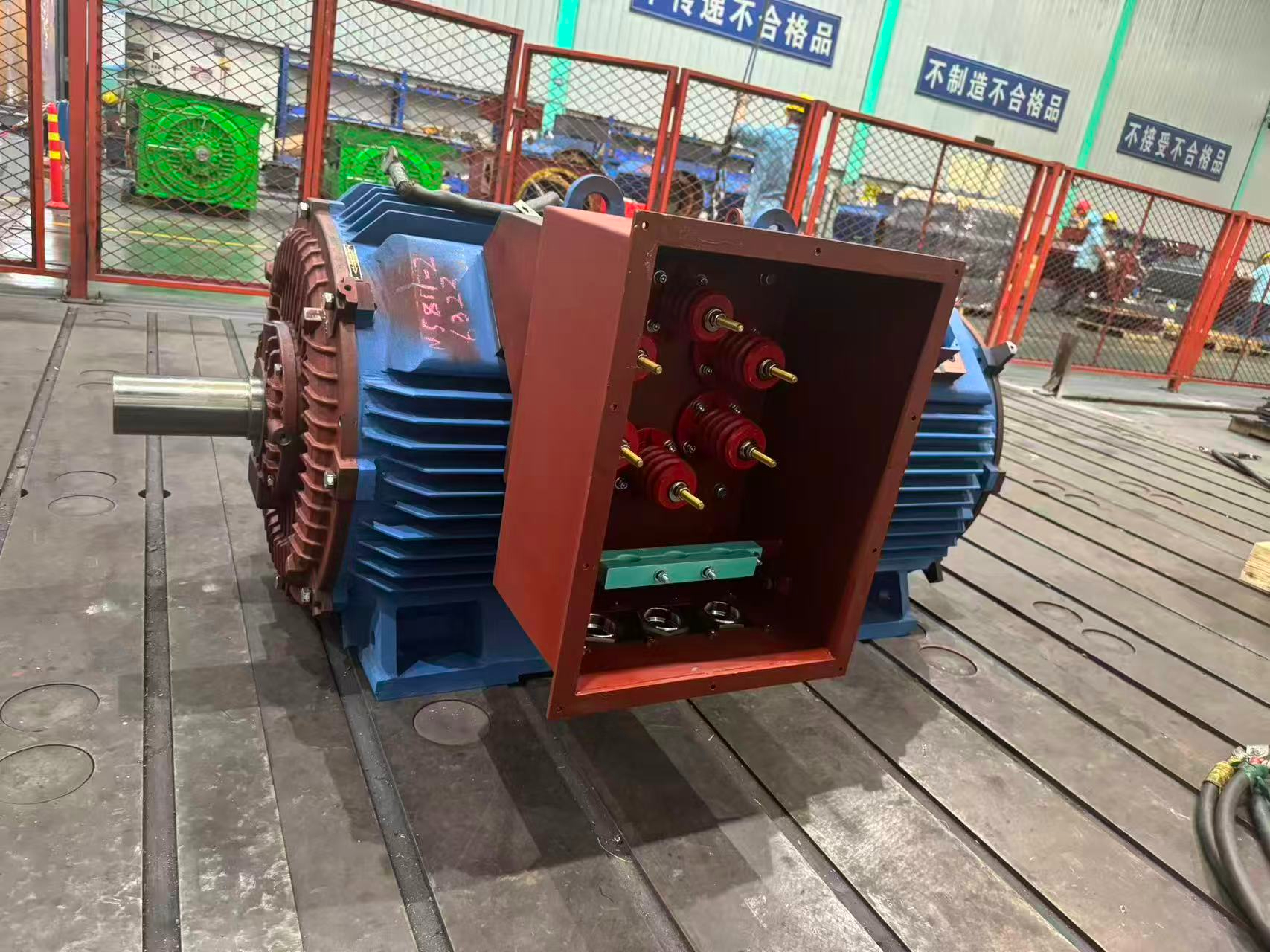
The basic parameters needed for motor selection include: load type, rated power, rated voltage, rated speed, and other specific conditions.
Motor Selection Based on Load Characteristics:
1.Continuous Operation with Stable Load (No Special Starting/Braking Requirements)
For machines that operate continuously with stable loads and no special starting or braking requirements, a standard squirrel-cage induction motor is typically the best choice. These motors are widely used in machinery, water pumps, and fans.
2.Frequent Starting/Braking, High Starting/Braking Torque Required
For machinery that experiences frequent starting and braking and requires large starting/braking torques, such as bridge cranes, mine hoists, air compressors, and reversible rolling mills, a wound-rotor induction motor should be used.
3.Constant Speed or Power Factor Improvement Required
For applications that do not require speed control but require constant speed or improved power factor, a synchronous motor is suitable. These are commonly used for medium and large-capacity pumps, air compressors, hoists, mills, etc.
4.Speed Control Requirement (1:3 Range or Higher), Continuous and Smooth Speed Adjustment
For machines requiring a speed control range of 1:3 or greater and continuous, smooth adjustment, either a separately excited DC motor or a squirrel-cage induction motor with variable frequency drive (VFD), or a synchronous motor should be used. Examples include large precision machine tools, gantry planers, rolling mills, and hoists.
5.High Starting Torque, Soft Mechanical Characteristics
For machines that require high starting torque and soft mechanical characteristics, a series-wound or compound-wound DC motor is appropriate. These are used in electric trains, trolleybuses, and heavy-duty cranes.
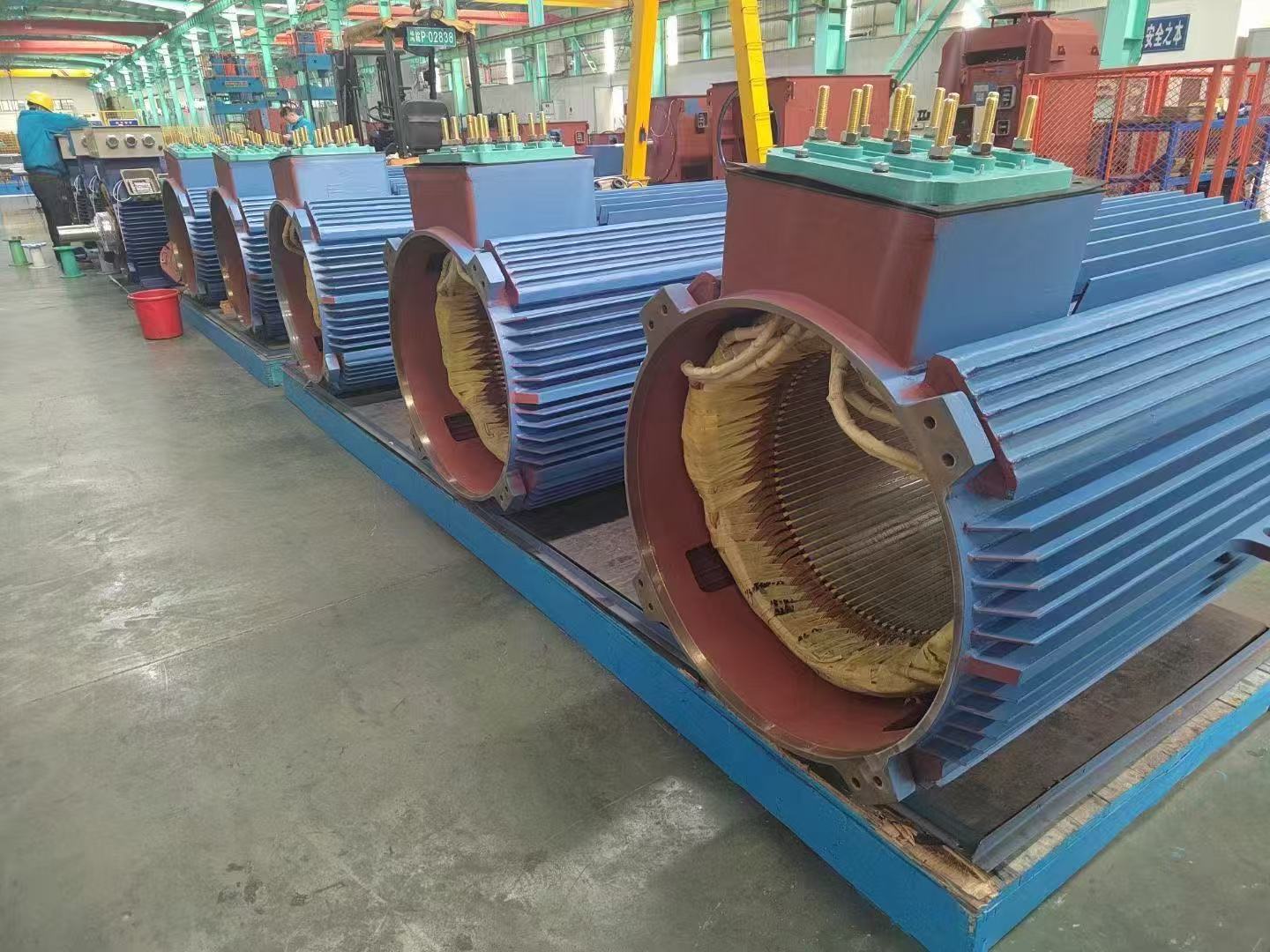
Additional Considerations for Motor Selection:
While the load type, rated power, rated voltage, and rated speed are essential for rough motor selection, these parameters alone are often insufficient to fully meet the load requirements.
Additional parameters that may need to be considered include:
Frequency: The power supply frequency.
Duty Cycle: The working regime of the motor (e.g., continuous, intermittent, etc.).
Overload Requirements: The motor's ability to handle overload conditions.
Insulation Class: The motor's insulation resistance to temperature variations.
Protection Class: The motor's resistance to dust, moisture, and environmental factors.
Moment of Inertia: The motor's ability to withstand load inertia.
Load Resistance Torque Curve: The torque resistance curve of the load.
Mounting Method: The motor's installation configuration.
Ambient Temperature: The operating temperature of the motor's environment.
Altitude: The motor's performance at higher altitudes.
Outdoor Requirements: The motor's ability to operate outdoors, if needed.
These additional parameters ensure that the motor meets all the specific operational requirements of the load, ensuring optimal performance and longevity.